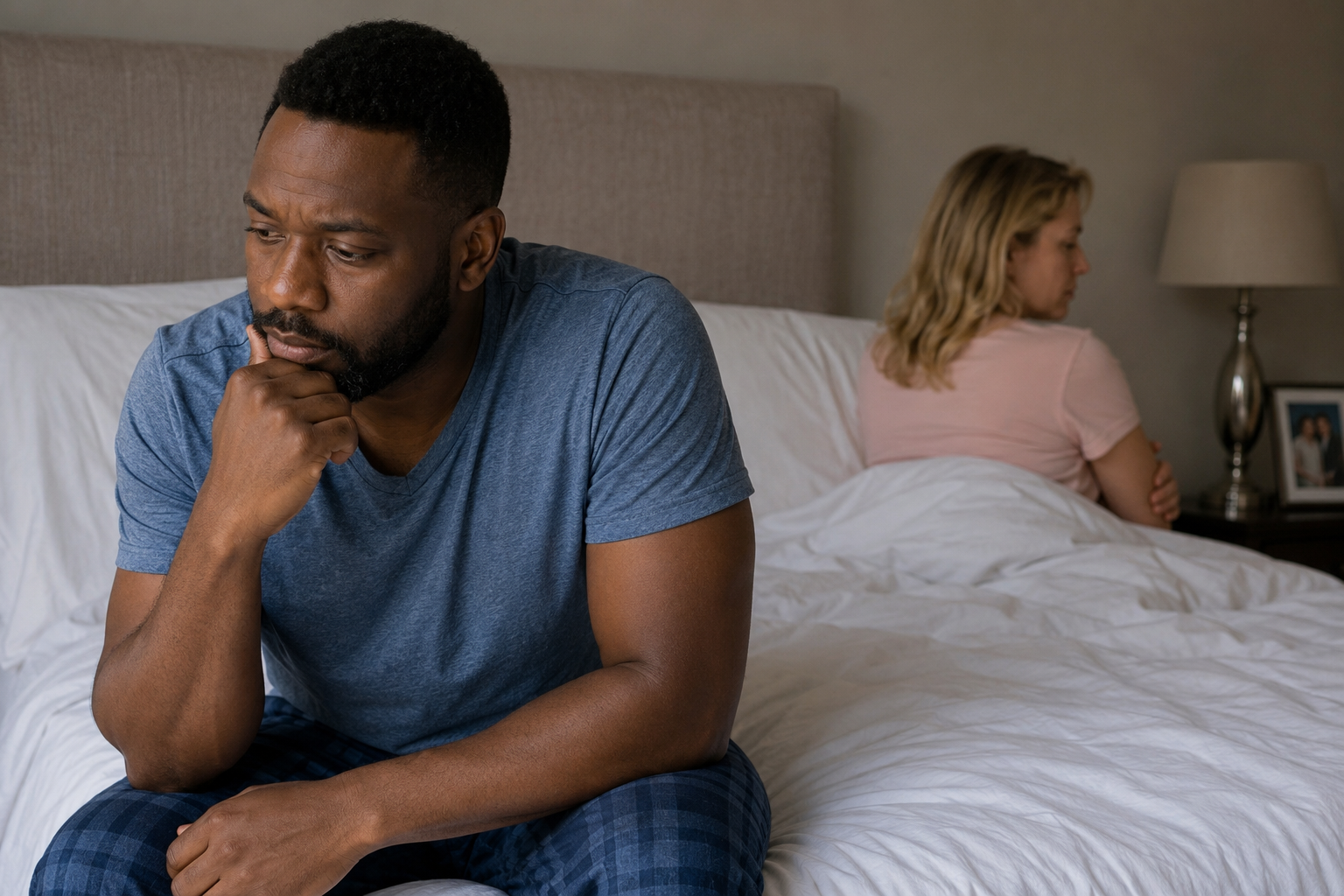
When His Situation Doesn’t Make Sense
If you have found yourself searching for why married men stay in unhappy marriages, chances are you are searching for much more than an answer.
You are searching for peace.
Perhaps someone you love has told you that his marriage has been unhappy for years.
He says the connection is gone.
He says they barely speak unless they have to.
He says they live more like roommates than husband and wife.
Sometimes he even tells you that being with you feels like the only place where he can truly be himself.
Yet every morning, he wakes up beside the same person.
Every evening, he returns to the same house.
Every holiday, every birthday, every family gathering, his life continues exactly where it has always been.
Nothing changes.
That is where confusion quietly begins.
Not because you do not believe him.
But because your heart is trying to understand two completely different stories at the same time.
One story says he is unhappy.
The other story says he is staying.
How can both be true?
Perhaps you have replayed your conversations with him hundreds of times.
You remember the moments when his voice sounded heavy.
The nights he admitted he felt trapped.
The promises that one day things would be different.
You remember believing him.
You may still believe him.
But somewhere inside you, another question has slowly grown louder.
If everything he says is true.
Why is he still there?
That question has probably followed you everywhere.
While making coffee in the morning.
Driving home after work.
Lying awake long after everyone else is asleep.
Even when life is busy, your mind quietly returns to the same place.
“If he is really unhappy, why hasn’t he left?”
It is one of the simplest questions to ask.
Yet for many people, it becomes one of the hardest questions to answer.
Because human beings are rarely as simple as their decisions appear from the outside.
Most people looking in only see what has happened.
They do not see the emotions that came before the decision.
They do not see the fear.
The guilt.
The responsibility.
The years of shared memories.
The promises once made with complete sincerity.
The parts of a person’s life that cannot simply be packed into a suitcase and left behind.
That is why this question deserves more than a quick answer.
It deserves understanding.
Not because every married man has the same reason for staying.
But because every human being carries invisible struggles that other people never get to see.
Perhaps that is why this situation feels so confusing.
You are trying to understand someone’s actions.
But underneath those actions are emotions, fears, hopes, habits, responsibilities, and internal conflicts that cannot always be seen.
Sometimes not even by the person living them.
That is why this article is different.
It is not about defending anyone.
It is not about blaming anyone.
It is about understanding why people sometimes remain in places they no longer describe as making them happy.
Because until we understand that, nothing else truly makes sense.
I Feel Understood
Waiting can be one of the loneliest experiences in any relationship.
Not because you are physically alone.
But because so much of what you carry lives quietly inside your own mind.
You may smile through your day.
Go to work.
Spend time with family.
Laugh with friends.
Yet underneath those ordinary moments, there is a conversation that never seems to end.
“What is he really thinking?”
“Does he truly want a different life?”
“Is he staying because he has no choice, or because he still wants the life he already has?”
Sometimes you feel guilty for even asking those questions.
You tell yourself that life is complicated.
Marriage is complicated.
Divorce affects children.
Families.
Parents.
Friends.
Finances.
Entire futures.
You remind yourself that walking away from years of shared life is never as simple as walking out of a room.
And you are right.
It isn’t.
Yet understanding that does not stop uncertainty from hurting.
You can understand someone’s circumstances and still feel exhausted by them.
You can care deeply about someone and still wonder how much longer your own life will remain on hold.
Both things can exist together.
That is what makes situations like these so emotionally draining.
People often assume waiting is passive.
It isn’t.
Waiting asks you to make emotional decisions every single day.
Do I keep believing?
Do I protect my heart?
Do I trust his words?
Or do I trust what I continue to see?
Those questions slowly become heavier than most people realize.
Over time, something else quietly begins to happen.
The question changes.
At first you ask,
“Why is he staying?”
Eventually you begin asking,
“Is there something wrong with me?”
“If he truly loved me, wouldn’t he already be here?”
“Am I simply believing what I want to believe?”
Those questions rarely appear overnight.
They arrive gradually.
One delayed promise.
One postponed conversation.
One more reason why now isn’t the right time.
Until eventually, another person’s uncertainty begins shaping the way you see yourself.
That is one of the cruellest things uncertainty can do.
It quietly convinces good people that someone else’s indecision must somehow reflect their own worth.
It doesn’t.
Still, when hope and disappointment keep taking turns, emotions begin to feel like facts.
Perhaps you have imagined his life more times than you care to admit.
You wonder what really happens once he goes home.
Are they truly as distant as he says?
Do they still laugh together?
Has anything changed?
Or has everything stayed exactly the same?
The hardest part is that you may never know.
When answers are missing, the human mind naturally fills the empty spaces.
Sometimes with hope.
Sometimes with fear.
Sometimes with stories far more painful than reality itself.
That is not weakness.
It is simply what people do when they desperately want certainty.
There is another reason this situation becomes so difficult.
People around you often see only the surface.
They hear one sentence.
“He’s married.”
Then they immediately have an opinion.
“If he wanted to leave, he already would have.”
“Stop wasting your time.”
“Move on.”
Those words may come from people who genuinely care about you.
But they rarely come from people who understand your story.
They do not hear the conversations you have shared.
They do not see the moments that gave you hope.
They do not know the reasons you believed this relationship was different.
That is why simple advice often feels so empty.
It answers the situation.
But it never acknowledges the emotions living inside it.
Before anyone can decide what to do next, they first need someone to understand why letting go has been so difficult in the first place.
Because this article is not really about marriage.
It is about people.
It is about why human beings sometimes remain in situations that no longer bring them peace.
It is about why love, responsibility, fear, loyalty, guilt, hope, habit, and uncertainty can all exist inside the same heart at exactly the same time.
Only when we understand that can we begin to understand why some people stay, even when part of them longs for something different.
Miko’s Reflection
One of the biggest mistakes people make is believing that every difficult relationship has a simple explanation.
Life rarely works that way.
Sometimes a person stays because they still love their spouse.
Sometimes they stay because they feel responsible.
Sometimes they stay because they are afraid.
Sometimes they stay because leaving means losing an identity they have built over decades.
And sometimes, they no longer know the difference between choosing to stay and simply continuing the life they have become used to.
Before we can understand whether someone will ever leave, we first have to understand why human beings often remain where they no longer feel completely happy.
That is where our journey begins.
Why Leaving Isn’t Always as Simple as People Think
One of the biggest reasons people struggle to understand unhappy marriages is because they imagine every decision is made with logic.
If someone is unhappy.
They leave.
If they stay.
They must still be happy.
Life would certainly be easier if people worked that way.
But they don’t.
Human beings are emotional creatures long before they become logical ones.
That is why people sometimes stay in jobs they no longer enjoy.
Remain in cities they no longer love.
Keep friendships that quietly drain them.
Or continue living lives that no longer feel like the life they once imagined.
Relationships are no different.
The outside world often sees one simple decision.
Stay.
Or leave.
The person living that decision may be carrying years of memories, responsibilities, fears, promises, hopes, disappointments, and unanswered questions that cannot be seen.
That is why judging someone from the outside is often much easier than understanding them from the inside.
Before we ask why someone has stayed, perhaps we first need to ask something different.
What has made leaving so difficult?
That single question changes everything.
Because once we stop looking only at the decision, we begin looking at the person behind the decision.
That is where understanding begins.
Why People Often Judge What They Cannot See
Imagine watching someone stand in front of a closed door.
You have no idea what is behind it.
No idea what they have experienced.
No idea what they might lose by opening it.
Yet from where you are standing, it seems obvious.
“Just walk through.”
That is often how people judge unhappy marriages.
From the outside, leaving appears straightforward.
If love has faded.
Leave.
If the relationship is painful.
Leave.
If someone else makes you happier.
Leave.
Simple.
Except it rarely feels simple to the person living that reality.
Because every marriage carries a history that no outsider can fully measure.
There are promises made on hopeful days.
Dreams built over decades.
Children who know no other version of home.
Families whose lives have become intertwined.
Financial responsibilities.
Shared grief.
Shared victories.
Shared routines that quietly become part of a person’s identity.
None of those things automatically mean someone should stay.
But they do explain why leaving can feel far more complicated than many people imagine.
Sometimes people judge the outcome because they cannot see the weight being carried before the decision is ever made.
That does not mean every reason for staying is healthy.
Nor does it mean every marriage should continue.
It simply reminds us that human decisions are rarely built on one emotion alone.
The Difference Between Feeling Unhappy and Being Ready to Leave
One of the greatest misunderstandings about relationships is believing that unhappiness automatically creates action.
It doesn’t.
Many people know exactly what is making them unhappy.
Yet they still struggle to change it.
Think about the person who stays in a career they no longer enjoy.
They complain about it.
Dream about leaving.
Imagine doing something different.
But every Monday morning, they still walk through the same office doors.
Not because they love the job.
Because changing their life feels bigger than enduring another week.
Relationships can work in much the same way.
Someone can genuinely feel unhappy inside a marriage while still feeling completely unprepared for everything that comes after leaving it.
Leaving is not one decision.
It is hundreds of decisions.
Where will I live?
How will my children cope?
What happens to everything we built together?
How will my parents react?
Can I afford to start over?
Will I regret this five years from now?
Sometimes those questions become so overwhelming that remaining where they are feels emotionally safer than stepping into an unknown future.
That does not necessarily mean they are choosing happiness.
Sometimes they are simply choosing certainty over uncertainty.
There is an important difference between wanting a different life and believing you are ready to build one.
Many people confuse the two.
Why Fear Can Keep Someone Emotionally Stuck
Fear is rarely loud.
Most of the time, it whispers.
It tells people to wait a little longer.
To think about it tomorrow.
To avoid making a decision until life feels less complicated.
Unfortunately, tomorrow often becomes next month.
Next month quietly becomes another year.
Fear has an unusual way of disguising itself as patience.
It convinces people they are waiting for the right moment, when in reality they are waiting for a feeling that may never arrive.
There are many kinds of fear.
Fear of hurting people you still care about.
Fear of disappointing your children.
Fear of destroying the life you spent years creating.
Fear of making the wrong decision.
Fear of discovering that the future you imagined feels different once it becomes real.
Sometimes the greatest fear is not leaving.
It is wondering whether leaving will bring the happiness you hoped it would.
Very few people speak openly about that fear.
But it exists more often than many realize.
It quietly keeps people standing between two lives.
Unable to fully embrace the one they have.
Unable to fully reach for the one they imagine.
The Hidden Weight of Responsibility
Responsibility can become one of the heaviest emotions a person carries.
Not because it is unwanted.
Because it rarely allows itself to be ignored.
Many people define themselves by the promises they have made.
Being a husband, a father, a provider and aprotector.
Those identities become deeply woven into the way they see themselves.
Walking away from a marriage may not only feel like leaving a relationship.
It can feel like walking away from the version of themselves they have spent years trying to become.
Even when the marriage is no longer bringing happiness.
That inner conflict is difficult to explain.
Especially to someone who has never carried it.
This does not mean responsibility should become an excuse for endless indecision.
It simply reminds us that responsibility and happiness do not always point in the same direction.
Sometimes people spend years trying to find a way to protect both.
Only to discover they cannot.
Why Hope Can Keep Someone Staying Longer Than Expected
Hope is a beautiful thing.
It helps people survive difficult seasons and It gives strength when life feels uncertain.
It reminds us that tomorrow does not always have to look like today.
But hope has another side that people rarely talk about.
Sometimes hope keeps people holding on to something that quietly stopped changing a long time ago.
A husband may hope the marriage can still be repaired.
A wife may hope things will eventually return to the way they once were.
Someone outside the marriage may hope that next month will finally be different.
Three different people.
Three different hopes.
All waiting for a future that none of them can fully control.
Hope is powerful because it allows people to endure uncertainty.
Yet when hope is never supported by meaningful change, it can quietly become another way of postponing difficult decisions.
That is why actions matter just as much as intentions.
People often promise change because they genuinely want change.
The harder question is whether anything in their life is actually moving toward it.
Sometimes the answer is yes.
Sometimes it isn’t.
Understanding that difference takes patience.
Honesty.
And the willingness to look beyond words alone.
“There is an important difference between wanting a different life and believing you are ready to build one.” How to Tell If He’s Confused or Simply Keeping You Waiting
Miko’s Reflection
One of the greatest mistakes we make is believing that every difficult decision has a simple explanation.
Human beings are wonderfully complicated.
A person can feel trapped and still feel loyal.
They can dream about another life while grieving the one they may have to leave behind.
They can genuinely love someone and still hesitate because the cost of change feels overwhelming.
That does not tell us what they will ultimately choose.
But it does remind us of something important.
Before we judge someone’s decision, we should first understand the emotions that have been shaping it all along.
Only then can we begin asking a more meaningful question.
Not “Why is he still there?”
But “What is keeping him there?”
The answer is often far more human than it first appears.
The Psychology Behind Staying
If there is one mistake people make when trying to understand unhappy marriages, it is assuming that every decision is made logically.
It would certainly make life easier if that were true.
If a relationship no longer brought happiness, people would simply leave.
If another relationship brought greater peace, they would move toward it.
But human beings have never worked that way.
Our decisions are influenced by memories, fears, responsibilities, identity, guilt, loyalty, hope, and countless emotions we often struggle to explain, even to ourselves.
That is why someone can honestly say,
“I don’t think I’m happy anymore.”
And at the same time wake up the next morning and continue living exactly as they did yesterday.
From the outside, that may look like contradiction.
From the inside, it often feels like survival.
The mind has an extraordinary ability to protect us from uncertainty.
Sometimes it protects us so well that we remain inside familiar pain because unfamiliar change feels even more frightening.
That does not only happen in marriages.
It happens throughout life.
People stay in careers that no longer inspire them.
They remain in friendships that slowly drain them.
They continue carrying dreams they secretly stopped believing in years ago.
Not because they enjoy those situations.
Because they know what those situations feel like.
The unknown asks much more of us than the familiar ever does.
Perhaps that is why understanding someone’s psychology often tells us far more than simply looking at their decisions.
Sometimes the Greatest Fear Is Hurting the People You Love
When people hear the word “children,” they often think the explanation ends there.
“He’s staying for the kids.”
That sounds simple.
The reality rarely is.
Many parents are not simply afraid of divorce.
They are afraid of becoming the reason their children’s world changes forever.
They imagine birthdays celebrated in different homes.
School events that suddenly feel uncomfortable.
Weekend routines that disappear.
Questions their children may never ask aloud.
Some carry memories from their own childhood that they promised their children would never experience.
Whether those fears are justified or not, they feel real to the person carrying them.
Sometimes that responsibility becomes heavier than personal happiness itself.
It is not always about choosing a marriage over another relationship.
Sometimes it feels like choosing between two different kinds of pain.
No parent finds that decision easy.
The Invisible Pressure That Few People Talk About
Money is often mentioned whenever people discuss unhappy marriages.
Yet very few people explore what money actually represents.
It is rarely just numbers.
It represents security.
Stability.
Predictability.
A family home.
Children’s education.
Retirement plans.
Years of shared effort.
Starting over does not simply change a relationship.
It can reshape an entire future that took decades to build.
For someone standing inside that reality, leaving may feel less like making one decision and more like dismantling an entire life.
That thought alone is enough to make many people hesitate.
Not because happiness is unimportant.
Because uncertainty can feel overwhelming.
When Marriage Becomes Part of Your Identity
One of the least understood parts of long term relationships is identity.
After many years, marriage often becomes more than a relationship.
It becomes part of how someone understands themselves.
They are no longer simply an individual.
They become a husband.
A wife.
A father.
A provider.
Someone other people rely on.
Those roles slowly become woven into everyday life.
Removing the marriage can sometimes feel as though a person is removing part of themselves.
Even when they know something inside the relationship has changed.
That is why people often say they feel lost after separation.
They are not only grieving another person.
They are trying to understand who they are without the identity they carried for so many years.
Why Familiar Pain Can Feel Safer Than Unknown Happiness
This may sound strange at first.
Yet psychologists have observed it for generations.
People often tolerate familiar discomfort longer than they will risk unfamiliar uncertainty.
Not because they enjoy suffering.
Because the human brain prefers predictability.
Even painful routines eventually become familiar.
People know what tomorrow looks like.
They know how conversations usually unfold.
They know where conflict begins and where it ends.
It is not happiness.
But it is known.
Leaving replaces certainty with questions.
What if I regret this?
What if life becomes harder?
What if I lose everything and still don’t find the happiness I imagined?
Sometimes those unanswered questions become more frightening than remaining exactly where they are.
That does not mean staying is always the healthiest decision.
It simply explains why change often takes far longer than people expect.
Guilt Can Become a Prison Without Walls
Guilt has an unusual way of convincing people they deserve to carry burdens forever.
Someone may believe they have already disappointed their spouse.
Their children.
Their parents.
Their community.
Leaving can feel like adding another painful chapter to a story they already regret.
Some people continue sacrificing their own happiness because guilt quietly tells them that is the price they must pay.
Others remain because they cannot bear becoming the person everyone blames.
Whether those fears eventually become reality is another question entirely.
But emotionally, guilt has already done its work.
It convinces people that staying is the kinder choice.
Even when staying hurts everyone involved.
Loyalty Can Outlive Happiness
One of the most misunderstood emotions in relationships is loyalty.
Many people assume loyalty disappears the moment love begins to fade.
Life rarely works that neatly.
A person may no longer feel emotionally fulfilled inside a marriage.
Yet still feel deeply loyal to the promises they once made.
They remember standing in front of family and friends.
Promising to remain together through difficult seasons.
Those memories do not disappear simply because circumstances become complicated.
For some people, loyalty becomes a personal value that exists independently of happiness.
That is why they continue trying long after other people believe they should have left.
The Fear That Comes After the Decision
People often imagine that fear exists before someone leaves.
In reality, many people fear what happens after they leave even more.
What if the relationship they leave for doesn’t survive?
What if they discover they misunderstood their own feelings?
What if loneliness becomes harder than the marriage itself?
Human beings naturally imagine worst case scenarios.
The mind tries to protect us by predicting danger.
Unfortunately, it often predicts danger even when change might ultimately lead to peace.
That inner conflict can keep someone standing still for years.
Not because they lack courage.
Because fear keeps asking questions that have no immediate answers.
Emotional Attachment Is Not Always the Same as Love
Perhaps this is one of the hardest ideas to accept.
People often stay emotionally attached to relationships that no longer make them happy.
Attachment and love are closely connected.
But they are not identical.
Attachment grows through years of shared experiences.
Daily routines.
Inside jokes.
Family traditions.
Ordinary moments that quietly become part of someone’s emotional world.
Even when romantic love changes, attachment often remains.
That attachment can make leaving feel like losing part of one’s own history.
It can explain why someone genuinely struggles to let go, even when they recognise that the relationship no longer brings them the fulfilment it once did.
Understanding that difference changes the entire conversation.
Instead of asking,
“Does he still love her?”
A more useful question may sometimes be,
“What parts of his life is he still emotionally attached to?”
The answer may have very little to do with romance.
And everything to do with identity, history, familiarity, responsibility, and the life he has spent years building.
That distinction is often overlooked.
Yet it may explain more than almost any other reason.
“A more useful question may sometimes be, ‘What parts of his life is he still emotionally attached to?” Signs He Is Emotionally Attached to Another Woman
Miko’s Reflection
When people ask why married men stay in unhappy marriages, they are often hoping for one answer.
One reason.
One moment that suddenly makes everything clear.
Human beings are rarely that simple.
Sometimes a person stays because of responsibility.
Sometimes because of fear.
Sometimes because of loyalty.
Sometimes because they no longer know where habit ends and identity begins.
And sometimes, they stay because letting go of the life they know feels far more frightening than stepping into a life they cannot yet imagine.
That does not tell us what they should do.
Nor does it tell us what they eventually will do.
It simply reminds us that before we judge someone’s choices, we should first understand the emotions quietly shaping those choices.
Because people rarely remain where they are only because they want to.
More often, they remain because part of them no longer knows how to leave.
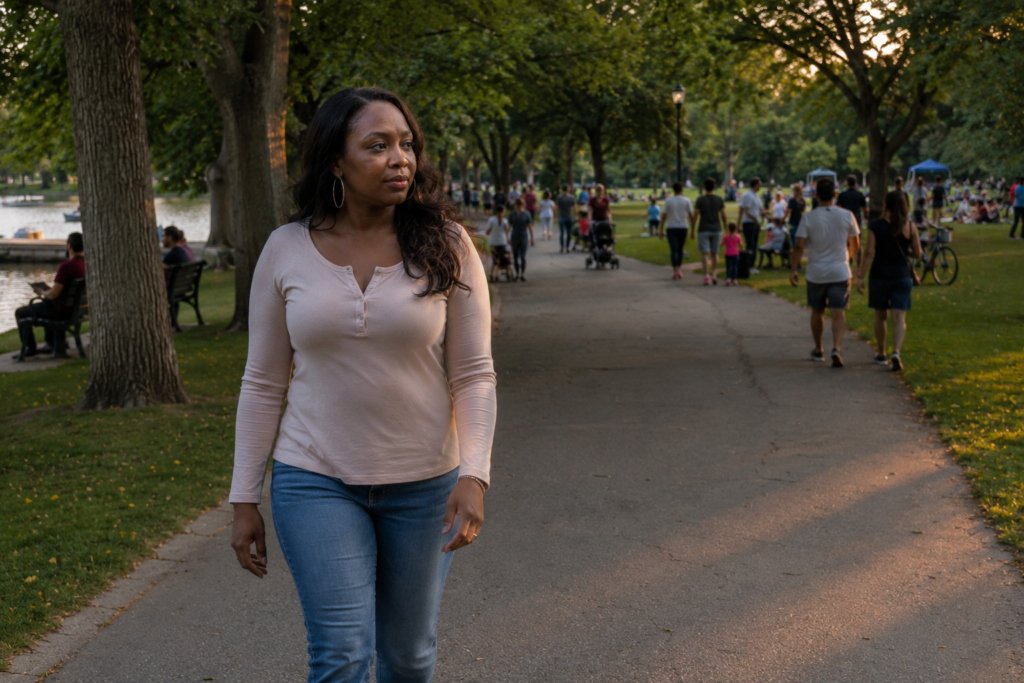
Can Someone Love You and Still Stay Married?
Perhaps this is the question that has been quietly sitting in your heart from the very beginning.
You may not have said it out loud.
You may not even have admitted it to yourself.
But it is there.
If he tells me he loves me.
Why is he still married?
For many people, those two realities seem impossible to hold together.
We naturally believe that love should lead to action.
If someone loves you enough, surely they would choose you.
If someone is unhappy enough, surely they would leave.
Life would feel much simpler if emotions always produced immediate decisions.
Unfortunately, human relationships rarely work that way.
People often carry several truths at once.
Someone can deeply care for another person while still feeling responsible for the life they already have.
They can dream about a different future while fearing everything they might lose to reach it.
They can honestly believe they love you while still feeling emotionally tied to a marriage they no longer describe as fulfilling.
Understanding that complexity does not automatically answer what someone will eventually do.
But it does explain why love alone is not always enough to change a person’s life.
Love can create possibility.
It cannot remove fear.
It cannot erase responsibility.
It cannot instantly untangle years of shared history.
That is why asking,
“Does he love me?”
is sometimes only half the question.
The other half is,
“What is preventing him from acting on what he feels?”
Those are two very different questions.
And they often have two very different answers.
Why Love Doesn’t Always Lead to Action
We often grow up believing that love conquers everything.
It is a beautiful idea.
But real life asks much harder questions.
Love can inspire courage.
It can motivate change.
It can help people imagine a different future.
Yet love does not automatically overcome fear.
It does not remove guilt.
It does not dissolve responsibilities that have been built over decades.
Sometimes two people genuinely love each other.
Yet one of them is standing in a place where every possible decision hurts someone.
That kind of emotional conflict cannot be solved simply by loving harder.
Many people spend years believing that stronger feelings will eventually produce stronger actions.
Sometimes they do.
Sometimes they don’t.
That is one of the hardest truths about relationships.
Feelings create intention.
Action requires readiness.
Those two things do not always arrive at the same time.
Why Timing Matters More Than Many People Realise
Have you ever noticed how two people can want the same future but not be ready for it at the same moment?
One person is emotionally prepared.
The other is still trying to make sense of everything they would leave behind.
That difference creates enormous frustration.
Especially when the person waiting begins measuring time differently.
For the one who is waiting, every month feels significant.
Every delay feels personal.
Every postponed conversation feels like another unanswered question.
For the person who feels trapped, time often moves differently.
They keep believing they are getting closer to making a decision.
Yet months quietly become years.
Neither person intends for that to happen.
But it happens more often than many realise.
The difficult part is that good intentions do not stop time from passing.
Eventually, the person who has been waiting begins asking whether they are waiting for the right moment.
Or waiting for a moment that may never come.
When Promises Become a Pattern
Promises are powerful.
Especially when they come from someone we love.
They give us something to hold onto during uncertain seasons.
They help us imagine that today’s pain has an ending.
There is nothing wrong with believing someone.
Trust is one of the foundations of every meaningful relationship.
But over time, something important begins to matter more than promises themselves.
Patterns.
A promise describes the future someone hopes to create.
A pattern reveals the future they are actually creating.
Those two things are not always the same.
One conversation filled with hope can carry us for weeks.
Repeated conversations that never become action slowly create a different story.
Not because the promises were necessarily dishonest.
Because hope without movement eventually becomes another form of waiting.
That is why patterns deserve our attention.
Not to destroy hope.
But to help us understand where hope is leading.
Actions Tell the Real Story
Human beings are complicated.
Actions often are not.
People may struggle to explain what they feel.
They may even struggle to understand their own emotions.
But over time, actions quietly begin telling a story that words alone cannot.
That story is not always comfortable to hear.
Sometimes actions reveal someone who is gradually moving toward change.
Sometimes they reveal someone who remains emotionally stuck despite sincerely wanting a different life.
Sometimes they reveal someone who keeps postponing difficult decisions because postponing has become easier than choosing.
Actions do not always tell us why.
But they often tell us where someone currently stands.
That distinction matters.
Because understanding someone’s intentions is helpful.
Understanding their direction is even more important.
The question is no longer,
“What has he said?”
It becomes,
“What has changed?”
Sometimes the answer brings hope.
Sometimes it brings clarity.
Both have value.
Hope and Reality Can Exist Together
Hope is not the enemy.
Without hope, very few relationships would survive difficult seasons.
Hope encourages patience.
Compassion.
Understanding.
The problem begins when hope is expected to carry a relationship by itself.
Healthy hope grows alongside visible progress.
Unhealthy hope survives entirely on future promises.
That difference is easy to miss when emotions are involved.
Many people continue waiting because every conversation sounds convincing.
Every explanation feels reasonable.
Every delay appears temporary.
Then another season passes.
Nothing changes.
That does not automatically mean someone never cared.
It does mean reality deserves the same attention we naturally give to hope.
Healthy relationships allow both to exist together.
Hope gives us something to believe in.
Reality helps us understand whether that belief is slowly becoming real.
How to Protect Your Own Heart While Waiting
Loving someone should never require you to stop caring for yourself.
That may sound obvious.
Yet uncertainty has a quiet way of changing people.
Little by little, life begins revolving around someone else’s decisions.
Someone else’s timeline.
Someone else’s readiness.
Before long, your own future feels as though it has been placed on pause.
That is a heavy burden for anyone to carry.
Protecting your heart does not mean becoming cold.
It does not mean giving up on someone you genuinely care about.
It means remembering that your life matters too.
Your dreams matter.
Your emotional wellbeing matters.
Your time matters.
Waiting may be the right decision for some people.
For others, it slowly becomes a place where hope grows while life quietly stands still.
Only you can honestly recognise the difference.
And recognising that difference is not an act of selfishness.
It is an act of self respect.
“Only you can honestly recognise the difference. And recognising that difference is not an act of selfishness. It is an act of self respect.” How to Tell If He’s Confused or Simply Keeping You Waiting
Miko’s Reflection
One of the most difficult lessons relationships teach us is that love and action are not always the same thing.
A person can love deeply and still hesitate.
They can care sincerely and still remain emotionally divided.
They can imagine another future while continuing to live the life they already know.
That does not automatically mean they are dishonest.
Nor does it automatically mean they will eventually choose change.
It simply reminds us that feelings are only one part of every important decision.
If you truly want to understand where a relationship is going, listen with your heart.
But also watch with your eyes.
Because over time, words reveal intentions.
Actions reveal direction.
When you understand both, you begin seeing your situation more clearly than ever before.
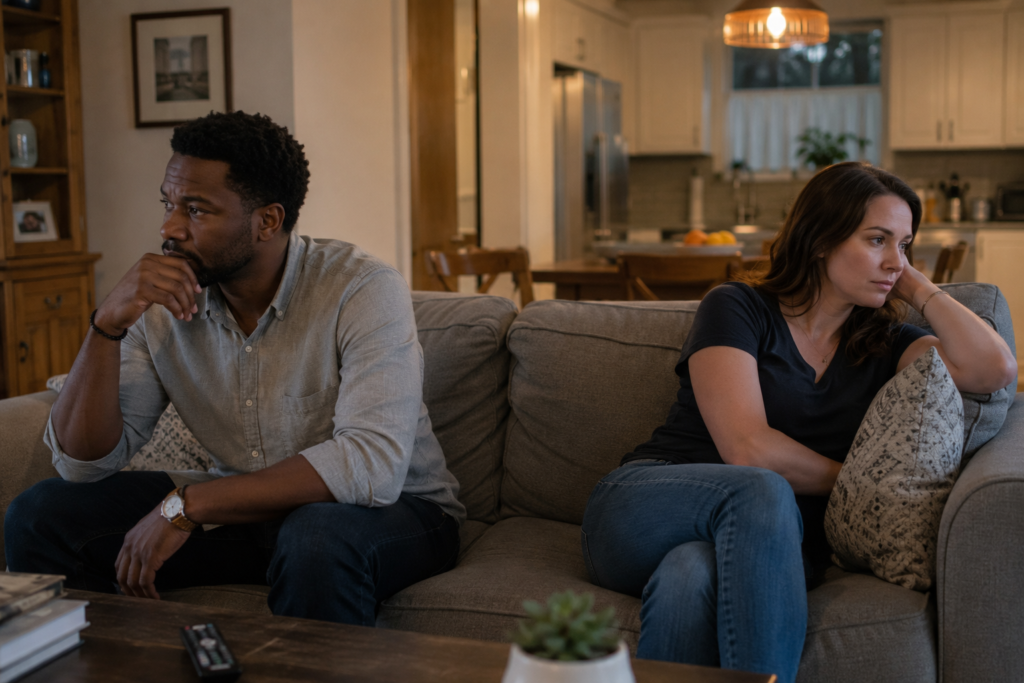
Understanding the Situation Before Making Any Decision
By now, you may have realised something important.
This question has never really been about whether married men stay in unhappy marriages.
It has been about trying to understand one particular person.
His thoughts, his fears and his behavior.
Then his silence, his promises and his reasons.
That is why generic advice often feels incomplete.
It treats every relationship as though it follows the same pattern.
But relationships are as unique as the people living them.
Two men may both remain in unhappy marriages.
From the outside, their situations can look almost identical.
Yet the reasons keeping them there may be completely different.
One may still believe his marriage can be repaired.
Another may feel trapped by responsibility.
Someone else may be afraid of hurting people they love.
Another may simply have become comfortable living with unhappiness because it feels more familiar than change.
The same decision.
Very different reasons.
That is why understanding always comes before deciding.
When we rush to conclusions, we often misunderstand the people we are trying hardest to understand.
Every Relationship Has a Story That Cannot Be Seen From the Outside
People often ask questions like,
“Will he leave?”
“Does he really love me?”
“Should I keep waiting?”
Those are understandable questions.
But before anyone can answer them honestly, another question deserves attention.
“What is actually happening beneath the surface?”
That answer is rarely obvious.
Relationships are made up of conversations no one else hears.
Promises no one else witnesses.
Arguments no one else sees.
Private fears.
Hidden hopes.
Years of history that never appear in a single conversation.
Looking only at the outcome without understanding the journey is like reading the last page of a book and believing you know the entire story.
Sometimes the ending only makes sense after you understand everything that came before it.
Human relationships are no different.
Understanding Creates Clarity, Even When It Doesn’t Change the Outcome
One of the greatest gifts understanding can offer is clarity.
Clarity does not always remove pain.
It does not guarantee the outcome we hope for.
But it often removes confusion.
There is an important difference.
Confusion keeps us trapped between possibilities.
Clarity helps us recognise where we truly stand.
Sometimes that clarity confirms that a relationship is moving forward.
Sometimes it gently reveals that it has remained in the same place for much longer than we realised.
Neither discovery is easy.
Both are valuable.
Because it is difficult to make healthy decisions while living entirely inside uncertainty.
Understanding does not force an answer.
It simply allows us to see the situation more honestly.
Why I Never Believe Every Relationship Is the Same
Over the years, I have learned something that continues to shape the way I look at relationships.
No two stories are ever identical.
On the surface, they may sound similar.
A married man.
A relationship outside the marriage.
Promises.
Waiting.
Uncertainty.
But once people begin sharing what has really happened, the differences become impossible to ignore.
One person may have been waiting for a few months.
Another has spent years hoping things would change.
Some couples have children together.
Others do not.
Some spouses are emotionally distant.
Others continue functioning as close partners despite their difficulties.
Some people are paralysed by fear.
Others simply avoid making difficult decisions.
That is why I have never believed in giving the same answer to everyone.
People deserve to be understood before they are advised.
Sometimes the smallest detail changes everything.
Looking Beyond Words Alone
Words matter.
They help us understand how someone feels.
But words are only one part of every relationship.
There are also patterns, consistency, time and change.
These often reveal parts of the story that words alone cannot.
That does not mean we should become suspicious of everyone we love.
Nor should we ignore what someone shares from the heart.
It simply means understanding grows stronger when we gently place words beside actions instead of choosing one over the other.
The clearest picture usually appears when both begin telling the same story.
Sometimes the Most Honest Answer Is, “I Need to Understand More”
Many people feel pressure to make immediate decisions.
Stay, leave, keep waiting or walk away.
Real life rarely moves that quickly.
Sometimes the most honest answer is admitting that you still need greater understanding before deciding what comes next.
There is wisdom in that.
Not because waiting is always the right choice.
But because decisions made from fear, confusion, or emotional exhaustion often create new regrets instead of peace.
Taking time to understand a situation is not weakness.
It is often the beginning of seeing it clearly.
Sometimes clarity confirms your hopes.
Sometimes it gently changes them.
Either way, it gives you something uncertainty never can.
A clearer understanding of the path in front of you.
“Either way, it gives you something uncertainty never can. A clearer understanding of the path in front of you.”
How to Make Him Choose Me Over Her
Miko’s Reflection
One lesson has stayed with me throughout the years.
People often come looking for answers.
Very often, what they truly need first is understanding.
Not because understanding magically changes another person’s heart.
But because it changes the way we see our own situation.
When confusion begins to fade, we stop chasing every emotion that comes and goes.
We begin recognising patterns.
We notice what has changed.
We notice what has remained the same.
We stop asking only,
“What do I hope is true?”
And we begin asking,
“What is this relationship showing me?”
I believe every important decision deserves that kind of honesty.
Not because honesty is always easy.
Because it is the strongest foundation any decision can stand on.
Understanding Comes Before Any Decision
If you have read this far, perhaps one thing has become clear.
There is rarely a single reason why married men stay in unhappy marriages.
Sometimes it is fear.
Sometimes responsibility.
Sometimes loyalty.
Sometimes hope.
Sometimes emotional attachment to a life they spent years building.
And sometimes it is several of those things all at once.
That does not make the situation easy.
But it does make it more understandable.
One of the biggest mistakes people make is searching for one answer that explains every relationship.
Real life rarely works that way.
People are different.
Their experiences are different.
The relationships they carry are different.
The decisions they face are different.
That is why understanding another person’s situation always begins with listening before judging.
When we stop searching for simple answers, we often begin finding honest ones.
Sometimes those answers confirm what we have been hoping for.
Sometimes they gently challenge what we wanted to believe.
Both can become important turning points.
Because understanding is not about hearing only what brings comfort.
It is about seeing the situation clearly enough to decide what is healthiest for your own future.
That is one of the greatest gifts clarity can offer.

Before You Leave
Before you close this page, I want to leave you with one thought.
Whether you are the woman waiting for someone you love.
A wife trying to understand why her husband seems emotionally distant.
Or someone simply trying to make sense of a relationship that no longer feels straightforward.
Please remember this.
Your questions are not foolish.
Your emotions are not a sign of weakness.
Wanting to understand someone you care about is one of the most natural things any human being can do.
The problem is that uncertainty has a way of growing heavier the longer we carry it.
Eventually it begins changing the way we think.
The way we sleep.
The way we see ourselves.
The way we make decisions.
That is why understanding matters.
Not because it guarantees the outcome you want.
But because it helps you move forward with clearer eyes and a steadier heart.
Sometimes that clarity leads people to keep believing in a relationship.
Sometimes it gives them the strength to choose a different path.
Either way, it is far better than remaining trapped in endless uncertainty.
The Miko Kana Philosophy
Throughout the years, I have spoken with people from many different countries, cultures, and backgrounds.
Some were trying to save a marriage.
Some were hoping to rebuild a relationship with an ex.
Some had fallen in love with someone who was already married.
Although every story was different, I noticed something they all had in common.
Almost everyone came looking for certainty.
They wanted someone to tell them exactly what another person was thinking.
Exactly what would happen next.
Exactly which decision they should make.
Life rarely gives us that kind of certainty.
What it does give us is the opportunity to understand people more deeply.
That understanding does not remove every difficult decision.
But it often removes the confusion that makes those decisions feel impossible.
I have never believed that every relationship should be treated the same.
Nor have I believed that every person should receive the same advice.
Every relationship has its own history.
Its own challenges.
Its own emotional landscape.
That is why I believe understanding should always come before judgment.
Listening should come before assumptions.
And clarity should come before any important decision.
That philosophy has guided my work for many years.
It continues to guide every conversation I have today.
Personal Relationship Assessment
Sometimes reading an article is enough to help you understand your situation.
Sometimes it raises new questions you never considered before.
And sometimes your relationship feels too personal, too unique, or too complicated to compare with anyone else’s experience.
If that is how you feel, you are not alone.
Many of the people who reach out to me have already spent weeks, months, or even years trying to understand what is happening in their relationship.
They are not always looking for someone to tell them what they want to hear.
They simply want someone to listen without rushing to conclusions.
If you feel your situation deserves that kind of thoughtful conversation, I am always willing to listen.
Together, we can look at your unique circumstances, discuss the patterns you have noticed, and explore the questions that continue weighing on your mind.
Not every relationship follows the same path.
That is why I believe every meaningful assessment should begin with understanding your story before offering any opinion. If you want me to look at your situation personally, you can start your Personal Relationship Assessment here.
If This Feels Like Your Story
Perhaps you recognised yourself somewhere in this article.
Maybe it was the waiting.
The unanswered questions.
The promises.
The hope.
Or perhaps it was simply the feeling of trying to understand someone whose actions never seem to match their words.
If so, I hope this article has given you something more valuable than quick advice.
I hope it has given you perspective.
Because perspective often changes the questions we ask ourselves.
Instead of wondering only,
“Why is he still there?”
You may now find yourself asking,
“What is really keeping him there?”
That small change in perspective can completely transform the way we understand complicated relationships.
And understanding is often the first step toward making wiser decisions for ourselves.
Whatever your story may be, I genuinely hope you find the clarity, peace, and confidence to move forward in the direction that is right for you.
You Don’t Have to Carry These Questions Alone
Relationship uncertainty has a way of making people feel isolated.
Many carry their questions quietly because they fear being judged or misunderstood.
They replay conversations in their minds.
Analyse every message.
Search for hidden meaning in every promise.
After a while, it becomes exhausting.
No one should feel they have to carry that weight by themselves.
Sometimes the greatest relief comes from simply being able to talk openly with someone who is willing to listen without immediately choosing sides or making assumptions.
Whether your relationship ultimately moves forward or takes a different direction, understanding your situation is always a better place to begin than guessing.
Whatever you decide, make that decision from clarity rather than confusion.
From understanding rather than fear.
And from respect for both your own heart and the lives of everyone involved.
Because the strongest decisions are rarely made in moments of panic.
They are made after we have taken the time to understand what truly lies beneath the surface.
“You May Also Find These Helpful”:
- How to Make Him Choose Me Over Her for readers trying to understand emotional commitment and relationship direction.
- How to Tell If He’s Confused or Simply Keeping You Waiting for readers struggling with uncertainty and mixed signals.
- Signs He Is Emotionally Attached to Another Woman for readers questioning where his emotional investment truly lies.
- Will He Leave His Wife for Me? Signs You Shouldn’t Ignore for readers wondering whether change is genuinely possible in their situation.
Frequently Asked Questions About Why Married Men Stay in Unhappy Marriages
1. Why do married men stay in unhappy marriages?
There is rarely one simple answer. Some people stay because they feel responsible for their children or financial commitments. Others stay because they still hope the relationship can improve, while some fear the uncertainty that comes with starting over. Many remain because several emotions exist at the same time, including loyalty, guilt, fear, habit, and hope. Understanding the individual circumstances is often more helpful than assuming every unhappy marriage follows the same pattern.
2. Can a married man love someone else while still staying with his wife?
Yes, it is possible for someone to develop genuine feelings for another person while remaining married. However, feelings alone do not determine what someone will do. Love, responsibility, fear, family, financial obligations, and emotional attachment can all influence the decisions people make. That is why actions over time often provide a clearer picture than emotions alone.
3. Why won’t he leave if he says he’s unhappy?
Feeling unhappy and being emotionally ready to leave are not always the same thing. Someone may genuinely struggle in their marriage while still feeling unprepared to face divorce, family changes, financial consequences, or the uncertainty of beginning a completely different life. Understanding what is preventing change is often more important than focusing only on what someone says.
4. Is he afraid of divorce?
He may be. Divorce often affects much more than two people. It can involve children, extended family, finances, property, routines, friendships, and personal identity. For some people, the fear of everything that changes after divorce feels greater than continuing in an unhappy situation.
5. Do married men stay together only because of their children?
Children can be an important reason, but they are rarely the only reason. Parents often worry about emotional stability, shared parenting, finances, and how separation may affect their family. Every situation is different, and children are usually only one part of a much larger emotional picture.
6. How do I know if he’s serious about leaving?
The clearest indicator is consistent action over time. Honest conversations are important, but meaningful change usually becomes visible through decisions, planning, and steady progress rather than repeated promises alone. Looking at long term patterns often provides more clarity than focusing on individual conversations.
How to Tell If He’s Confused or Simply Keeping You Waiting
7. Why does he keep asking for more time?
There are many possible reasons. He may still be trying to resolve his marriage, feeling uncertain, avoiding difficult conversations, or struggling with fear and responsibility. Time can sometimes help people make difficult decisions. In other situations, asking for more time becomes a way of postponing decisions without creating meaningful change. Looking at both words and actions helps provide a clearer understanding.
8. Can an unhappy marriage become happy again?
Yes, some unhappy marriages improve when both partners are willing to address the issues that created distance between them. Others do not. Every relationship is different, and the outcome depends on many factors, including communication, commitment, willingness to change, and whether both people genuinely want to rebuild the relationship.
9. Should I keep waiting for him?
Only you can answer that question. Waiting should never mean putting your own life completely on hold. It can be helpful to ask yourself whether you are seeing genuine progress or simply hearing repeated promises. Your emotional wellbeing, your future, and your peace of mind deserve just as much consideration as anyone else’s circumstances.
10. Can spiritual guidance help me understand my situation?
For many people, spiritual guidance provides a space to reflect on complicated emotions, relationship patterns, and personal decisions. While it cannot replace honest communication between people, it can sometimes offer insight, perspective, and a deeper understanding of the challenges someone is facing. The most valuable guidance begins by understanding your unique situation rather than making assumptions.
11. How can I tell if his actions match his words?
Instead of focusing on isolated moments, look at the overall pattern. Is he taking meaningful steps toward the future he talks about? Are difficult conversations leading to real progress? Over time, consistency usually reveals more than occasional promises. Actions and words should gradually begin supporting one another rather than telling two different stories.
How to Make Him Choose Me Over Her
12. What if I feel emotionally exhausted from waiting?
Feeling emotionally exhausted is more common than many people realize. Uncertainty can slowly affect your confidence, your sleep, your peace of mind, and the way you see your future. Whatever decision you eventually make, remember that caring for your own emotional wellbeing is not selfish. Healthy relationships should never require you to lose yourself while waiting for someone else’s decisions.
13. How long do married men usually stay in unhappy marriages?
There is no fixed timeline. Some people make significant changes within months, while others remain in unhappy marriages for many years. The length of time depends on factors such as emotional readiness, family responsibilities, financial circumstances, personal values, and whether meaningful change is taking place. Every relationship follows its own path.
14. Does staying in an unhappy marriage mean he still loves his wife?
Not necessarily. People stay in relationships for many reasons besides romantic love. Responsibility, habit, shared history, emotional attachment, fear of change, and loyalty can all influence someone’s decision to remain. At the same time, it is also possible that love still exists in some form. That is why every situation deserves to be understood individually rather than judged by assumptions.
Signs He Is Emotionally Attached to Another Woman
15. What should I do if my situation feels different from everything I’ve read?
That is perfectly normal. No article, no matter how detailed, can fully capture every relationship. Your experiences, your conversations, and your circumstances are unique. Articles like this can help you understand common patterns, but they cannot replace looking carefully at the details of your own story. Sometimes the most valuable next step is taking the time to understand your situation before making any important decision.
Miko’s Final Reflection on This Topic
Questions like these do not exist because people are weak.
They exist because relationships are complicated.
Every day, people try to balance love with responsibility, hope with reality, and emotion with reason.
Sometimes the answers become clearer with time.
Sometimes they become clearer through honest reflection.
And sometimes clarity comes from understanding that no two relationships follow exactly the same path.
If there is one idea I hope you take away from this article, it is this:
Before trying to predict what someone else will do, take the time to understand what may be shaping their decisions.
That understanding may not answer every question immediately.
But it often brings something just as valuable.
A clearer perspective, a calmer mind, and the confidence to make decisions that respect both your heart and your future.
Tired Of Waiting For Him To Leave Her For You, Then Make Him Leave Her For You Now
Get your boyfriend to leave his wife for you. Make him leave her for you now regardless of what. Save him from his unhappy marriage or relationship.
Before You Leave
Before you leave, I’d like to share one final thought with you.
If you found yourself reading this article, it probably wasn’t because you were simply curious about why married men stay in unhappy marriages.
More likely, you were trying to understand someone who matters deeply to you.
Perhaps you have spent days, weeks, or even months searching for answers.
Reading articles.
Watching videos.
Replaying conversations in your mind.
Looking for one small clue that finally makes everything make sense.
If that’s where you are today, I hope this article has given you more than information.
I hope it has given you understanding.
Because understanding changes the way we see people.
It helps us move away from assumptions and closer to clarity.
And when we have greater clarity, we are far more likely to make decisions we can live with, whatever those decisions may be.
One thing I have learned over the years is that relationships rarely fit into simple categories.
Every person brings their own history.
Every couple has their own challenges.
Every decision carries its own emotional weight.
That is why I have never believed in giving the same answer to everyone.
Real guidance begins with listening.
It begins with understanding.
Only then can meaningful advice follow.
Whether your relationship is just beginning, has lasted for many years, or has reached a crossroads you never expected, remember this:
Do not rush yourself into decisions simply because other people think they know what you should do.
Take the time to understand your situation.
Pay attention to patterns, not just promises.
Look at actions as carefully as words.
And never forget that your own peace of mind deserves just as much care as anyone else’s.
If this article has helped you see your situation from a different perspective, then it has achieved exactly what I hoped it would.
Thank you for spending your time here with me.
I truly hope you leave with a little more clarity, a little more confidence, and the reassurance that whatever you are facing today, you do not have to face it without understanding.
If You’d Like to Continue Reading
If today’s article raised new questions, these guides may help you explore your situation further:
- How to Make Him Choose Me Over Her Understanding emotional commitment, mixed signals, and the choices people make in complicated relationships.
- How to Tell If He’s Confused or Simply Keeping You Waiting Learn how to recognise the difference between genuine uncertainty and repeated delays.
- Signs He Is Emotionally Attached to Another Woman Discover the emotional patterns that may reveal where his heart is truly invested.
- Will He Leave His Wife for Me? Signs You Shouldn’t Ignore Explore the signs that may help you better understand whether meaningful change is actually happening.
Miko’s Closing Thought
Life has taught me that the questions people ask are not always the questions they are truly trying to answer.
Someone may ask,
“Why does he stay?”
But underneath that question is often another one.
“What should I do with my own heart while I wait?”
That is why I believe understanding is one of the greatest gifts we can give ourselves.
Not because it changes other people.
But because it changes the way we move forward.
And sometimes, that is where real peace begins.